Knowledge and Innovation Center - Digital District - TSEZ
International Fair Tripoli - Lebanon
Awards & Competitions
2019
Area: 70,000 sqm
First Prize, International Competition - UIA / UMA / LFEA
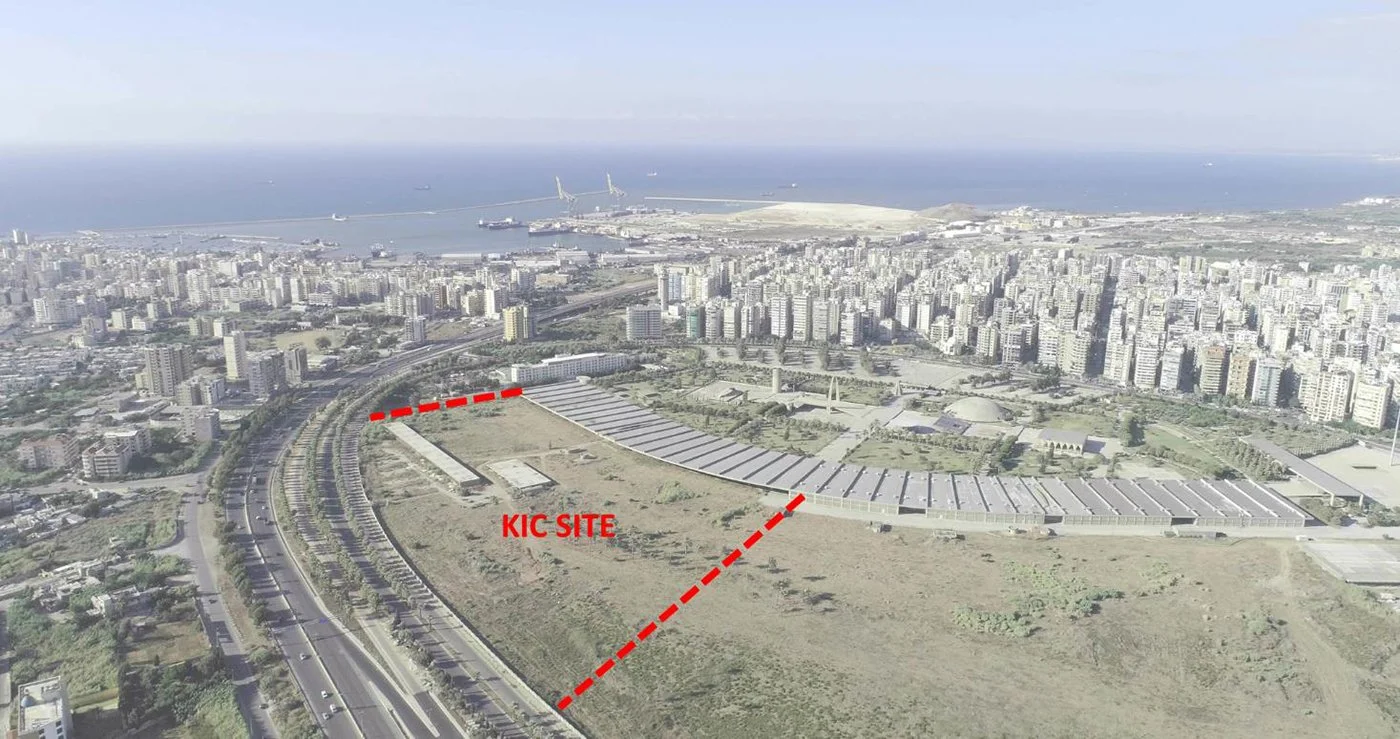
mddm Architects approached the Knowledge and Innovation Center with a brief defined as much by constraint as by program: deliver the facility's full functional requirements while preserving Oscar Niemeyer's existing work on the site, and without jeopardizing its candidacy for UNESCO World Heritage status.
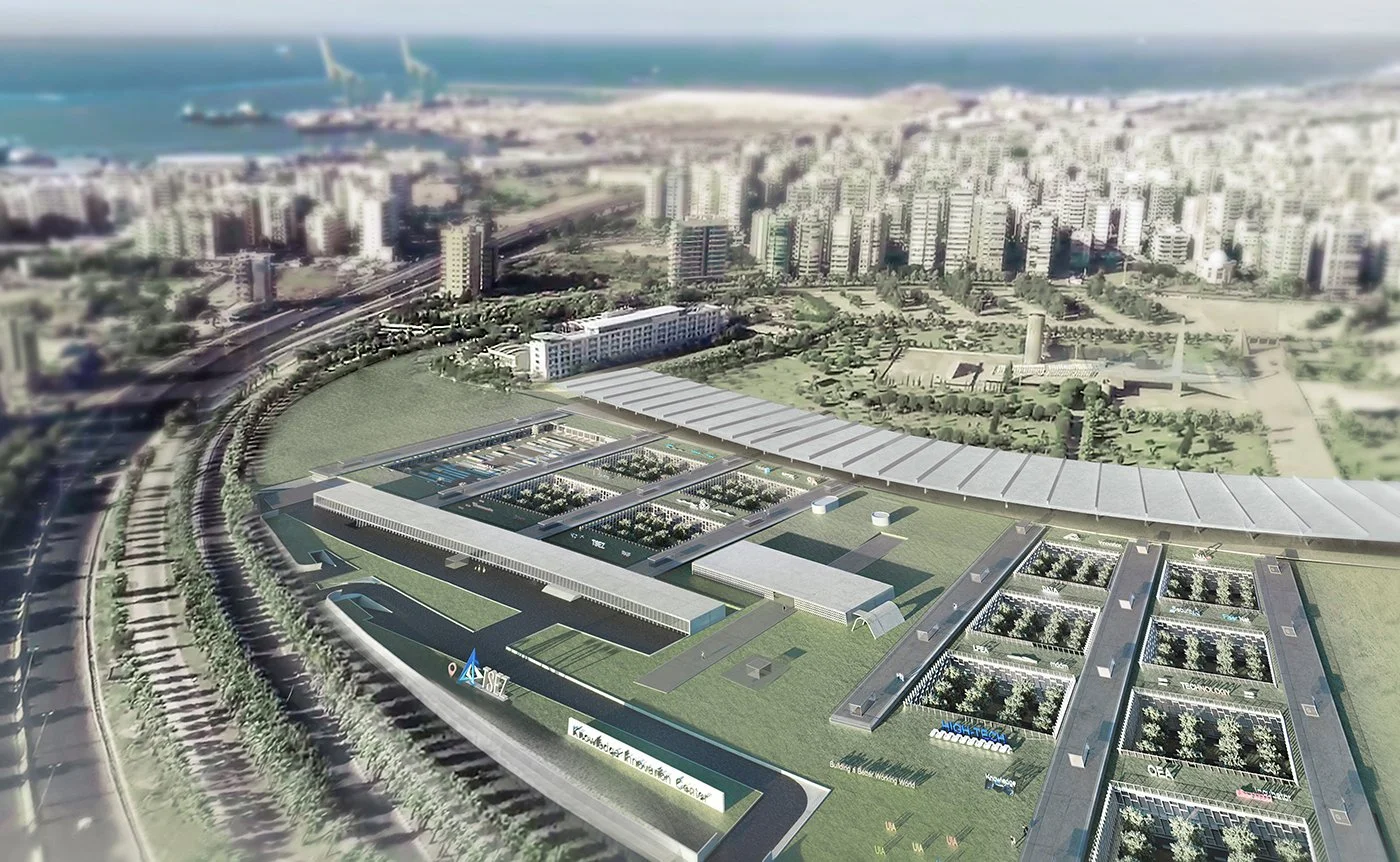
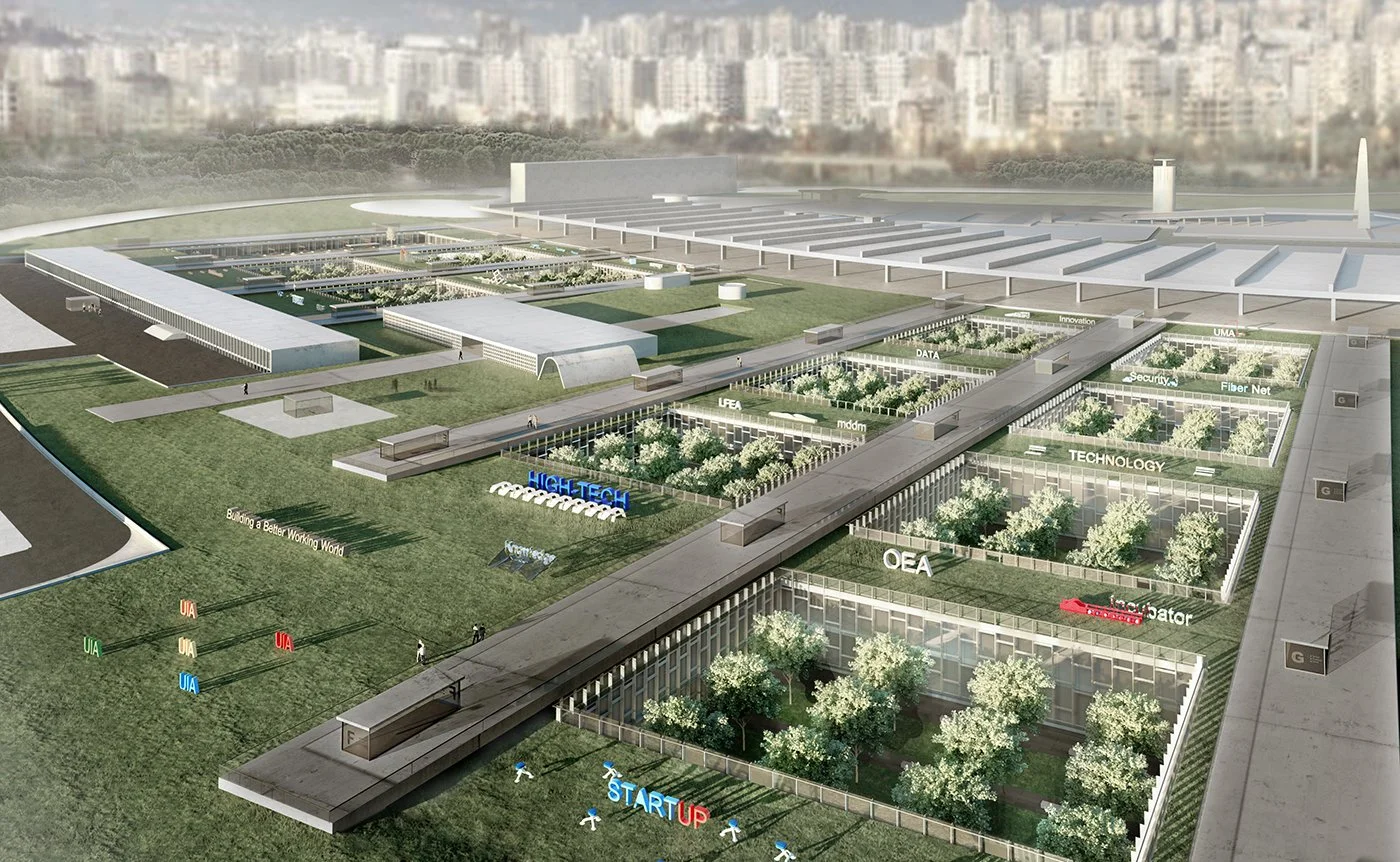
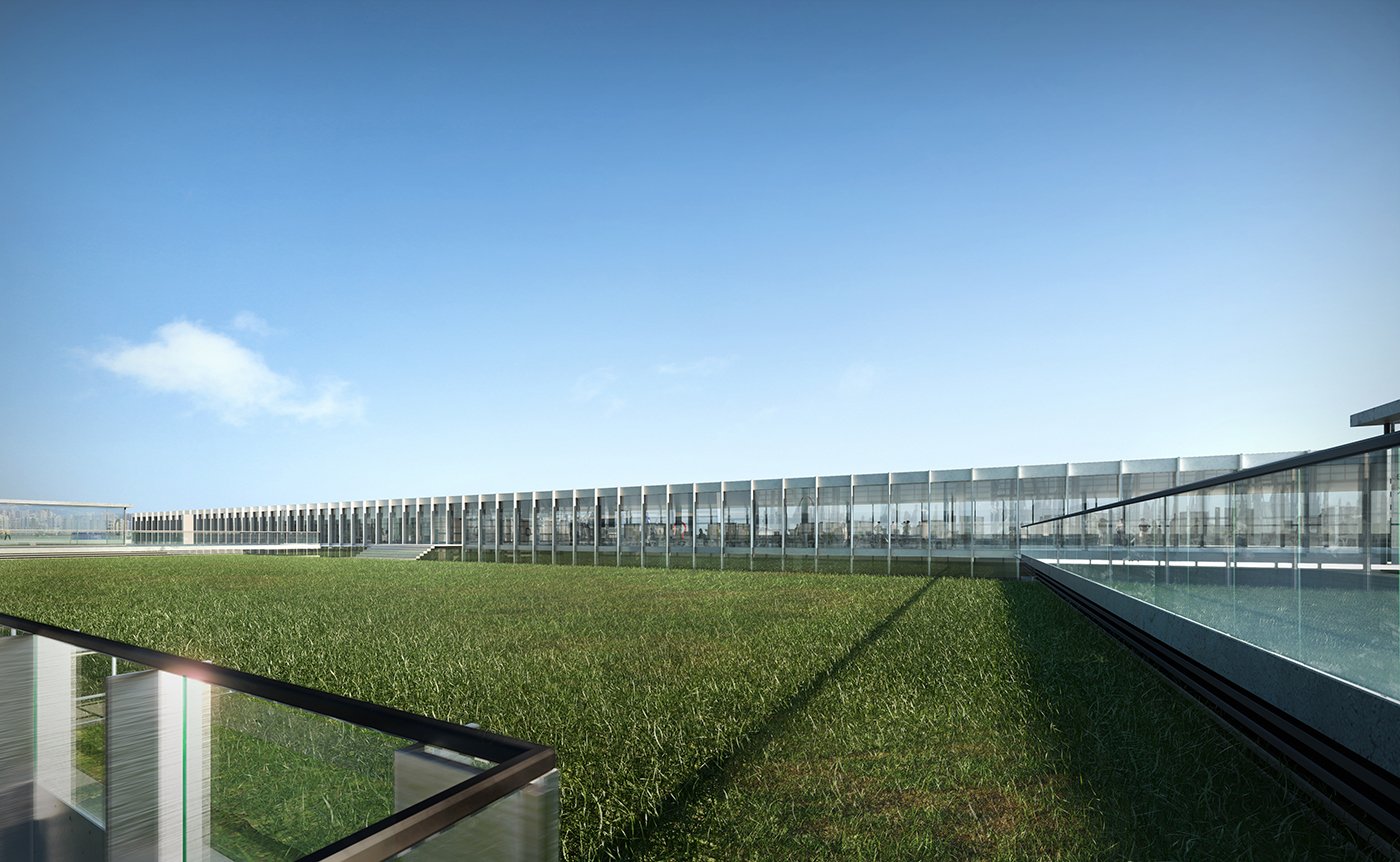
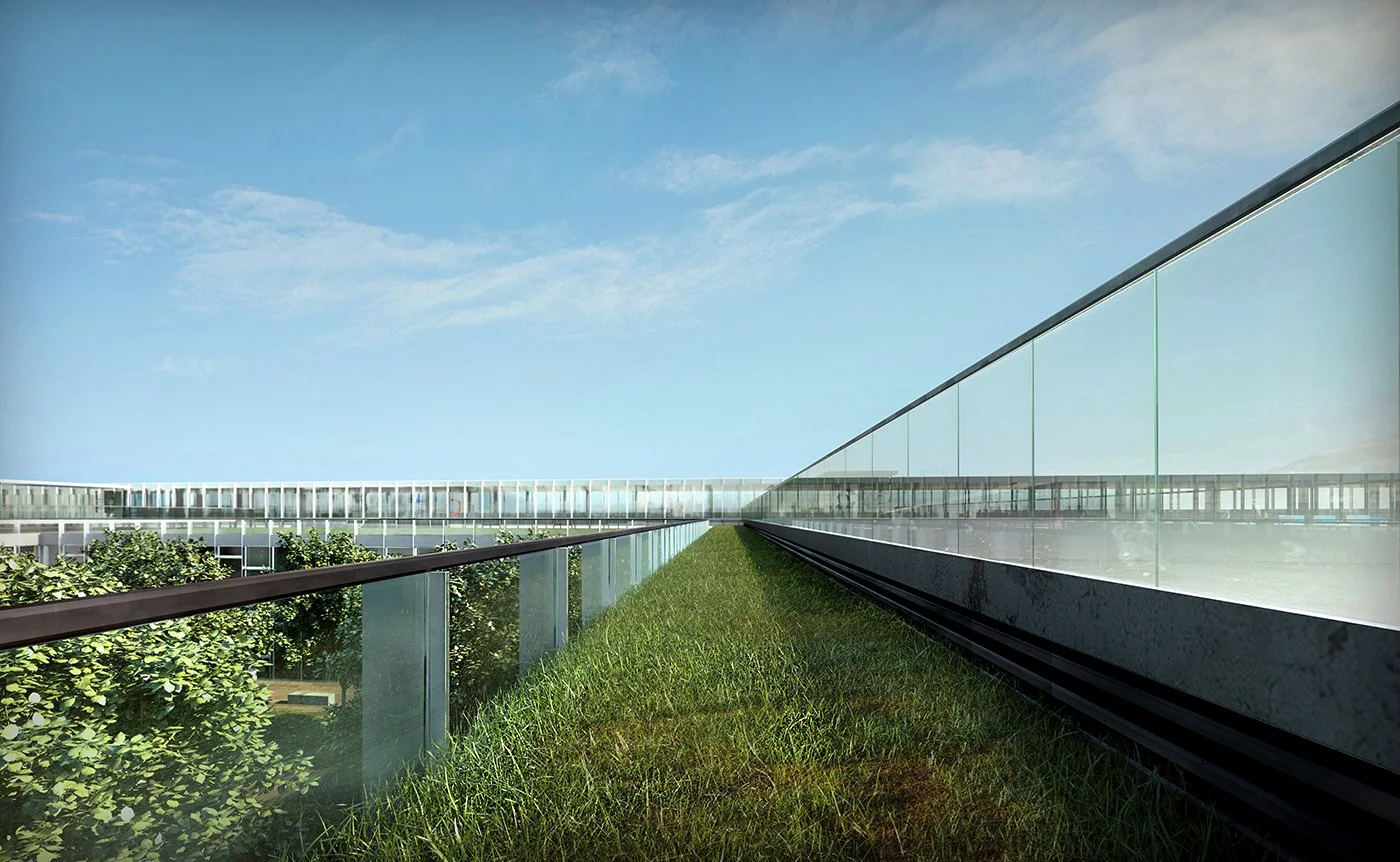
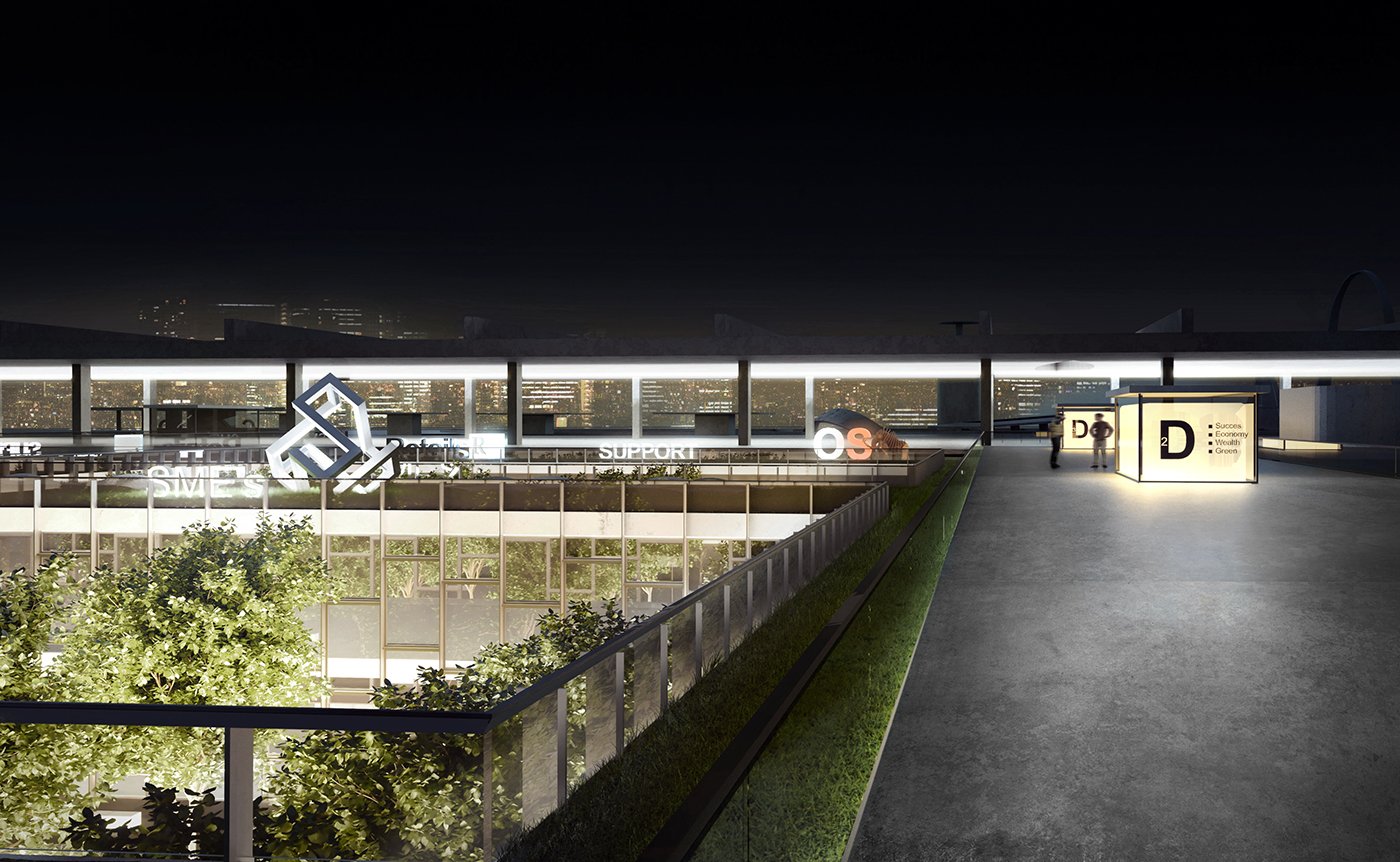
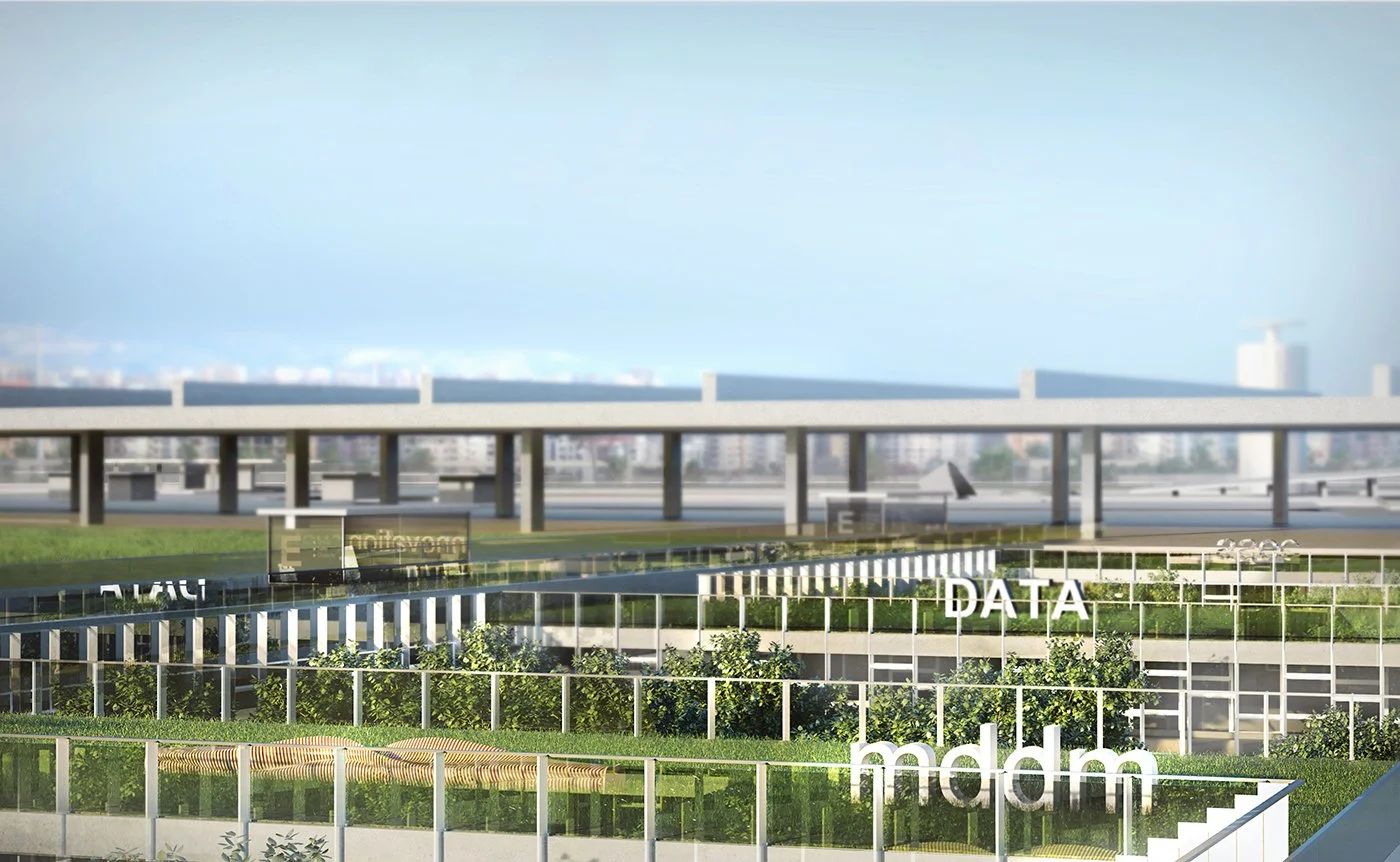
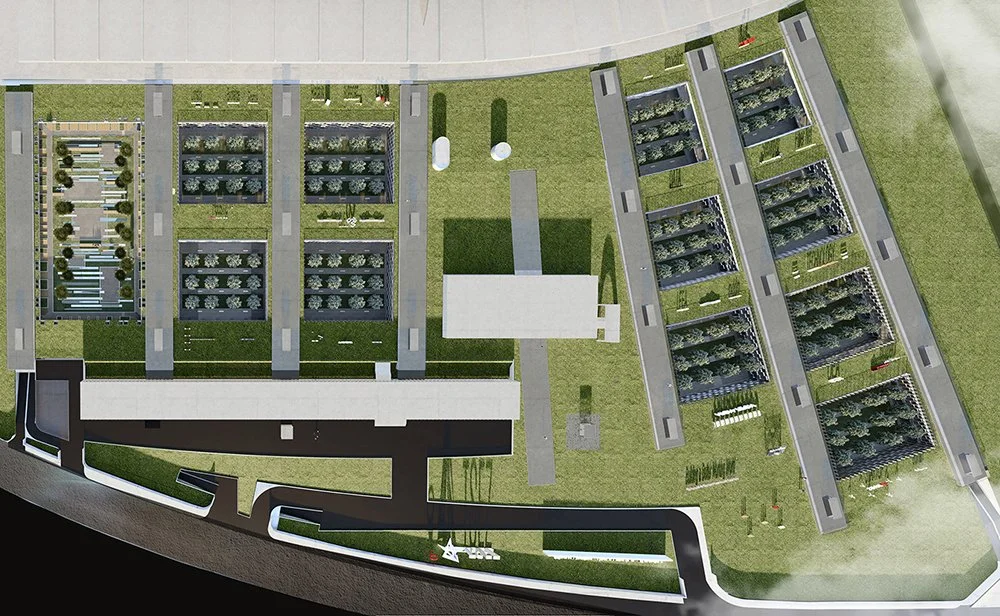
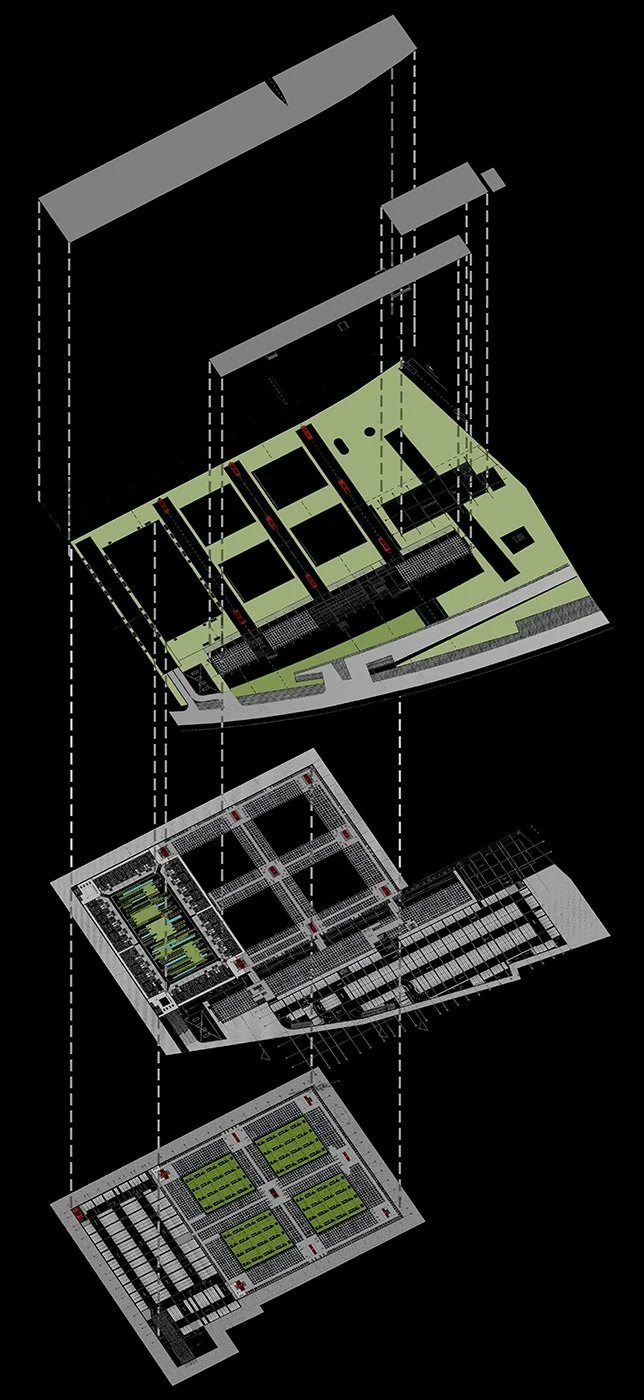
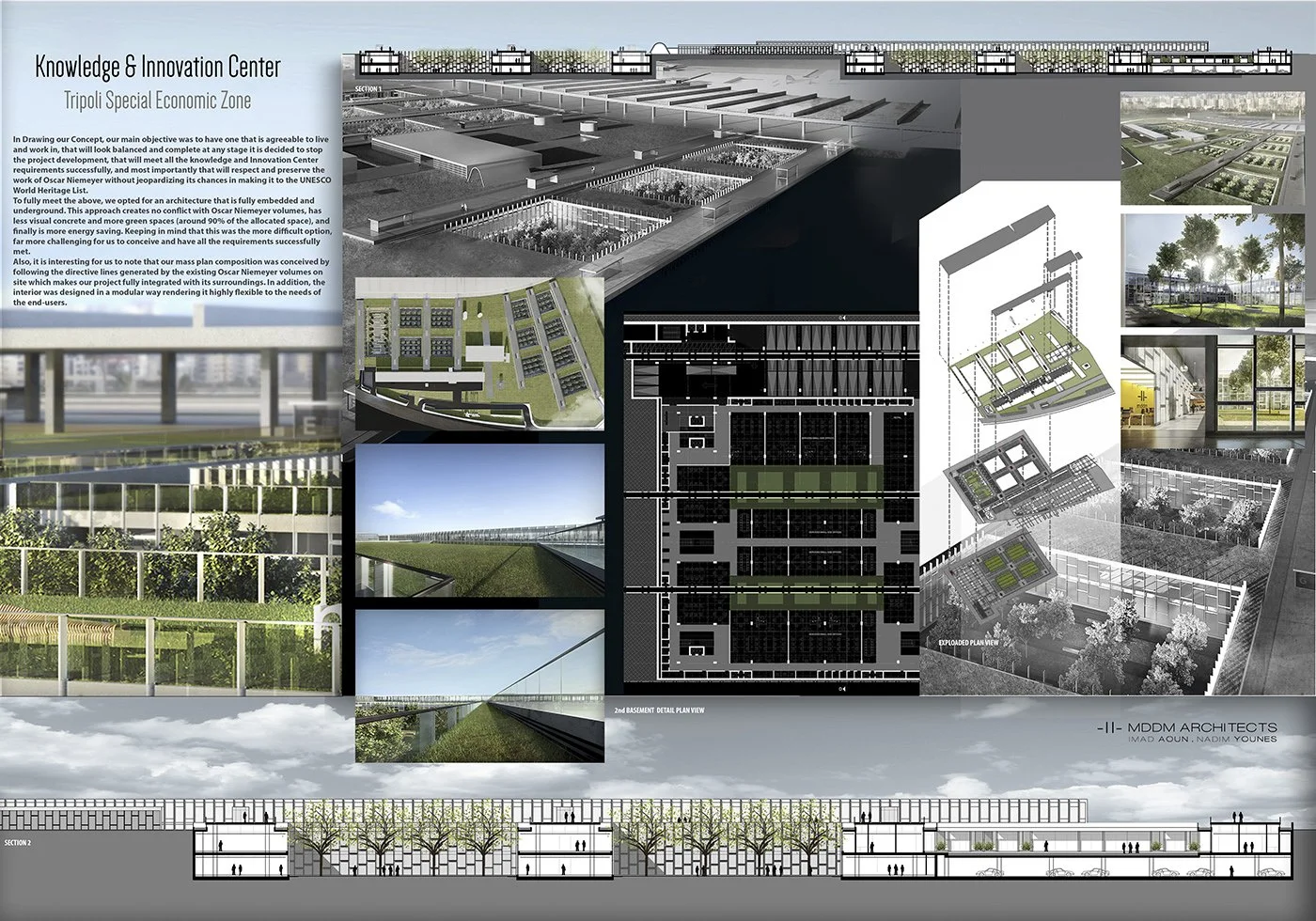
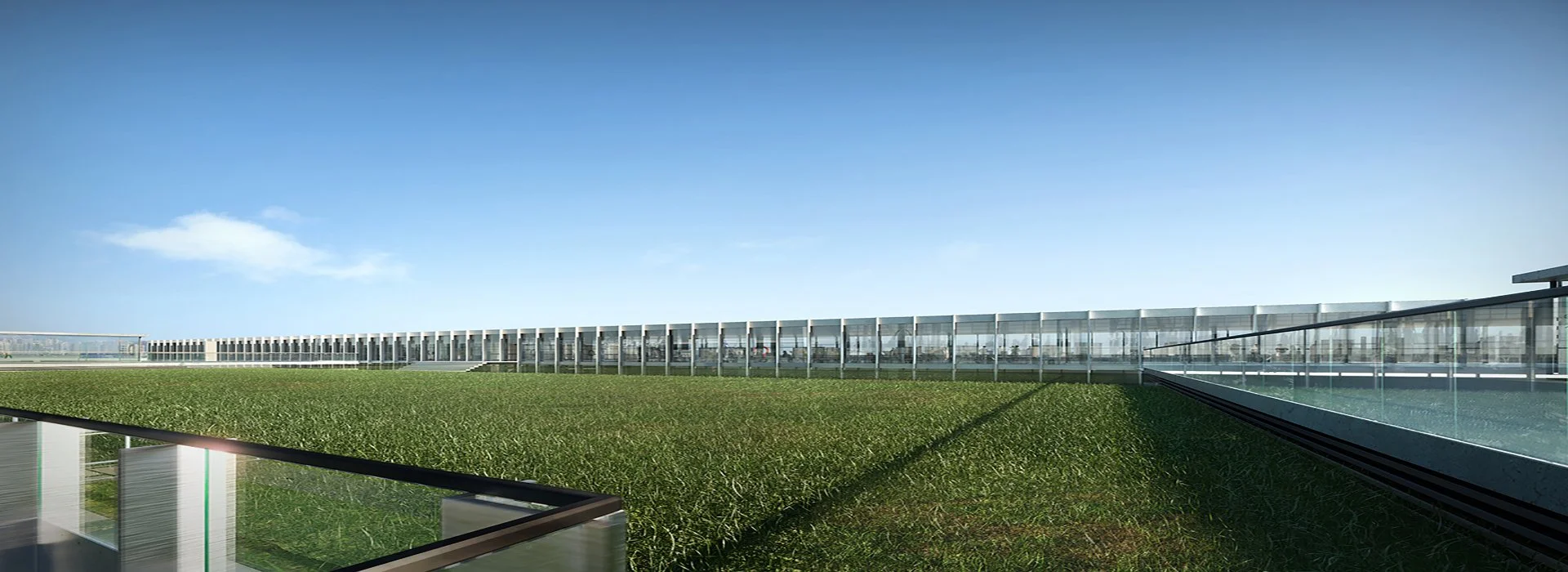
The studio's response was to embed the project fully within the landscape, developing the scheme almost entirely underground. The strategy resolves the brief's central tension directly, eliminating any visual conflict with Niemeyer's existing volumes and sharply reducing the visual presence of concrete on the site. It also returns the majority of the site to open landscape, with green space accounting for approximately 90 percent of the total area, and yields substantial environmental and energy-saving benefits as a result.
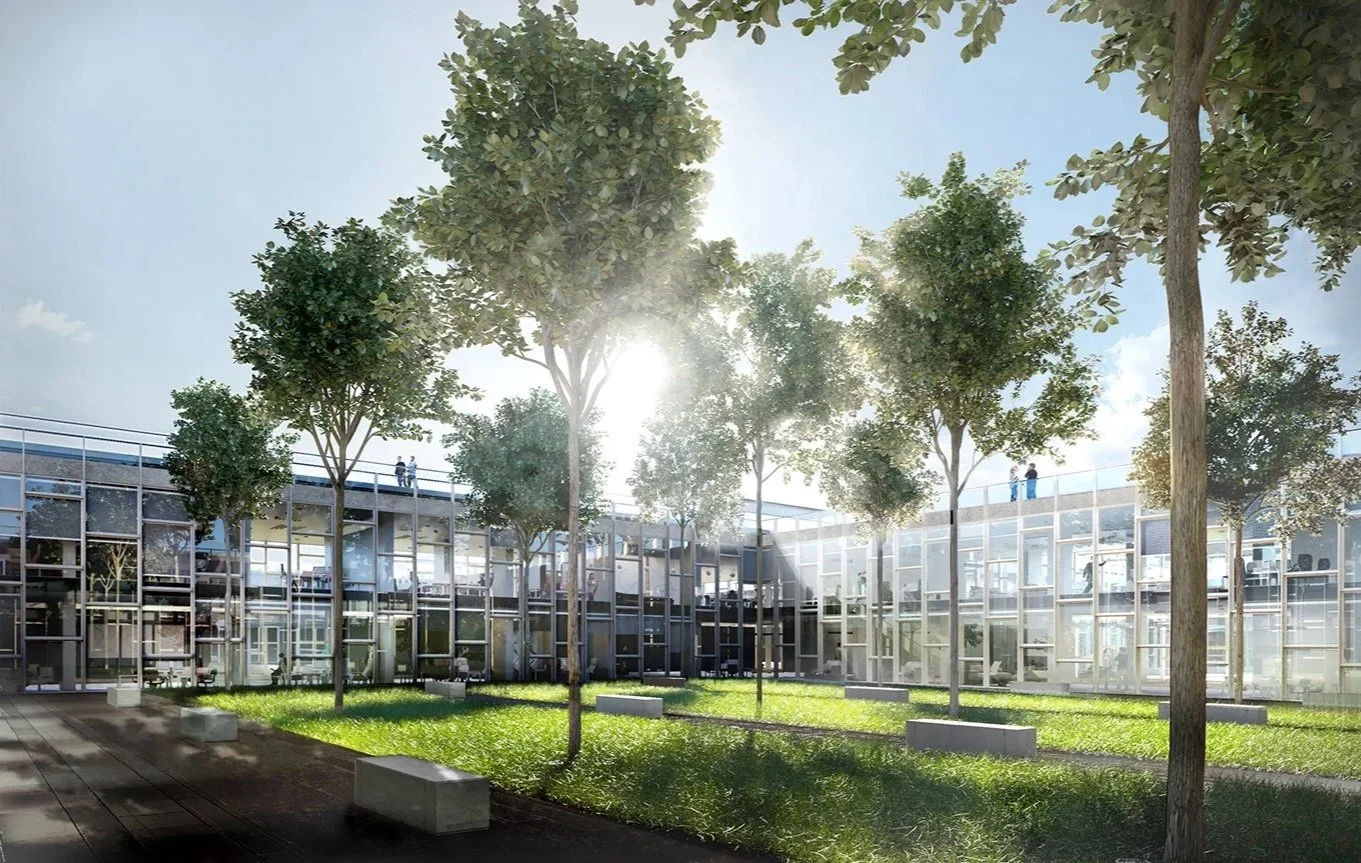
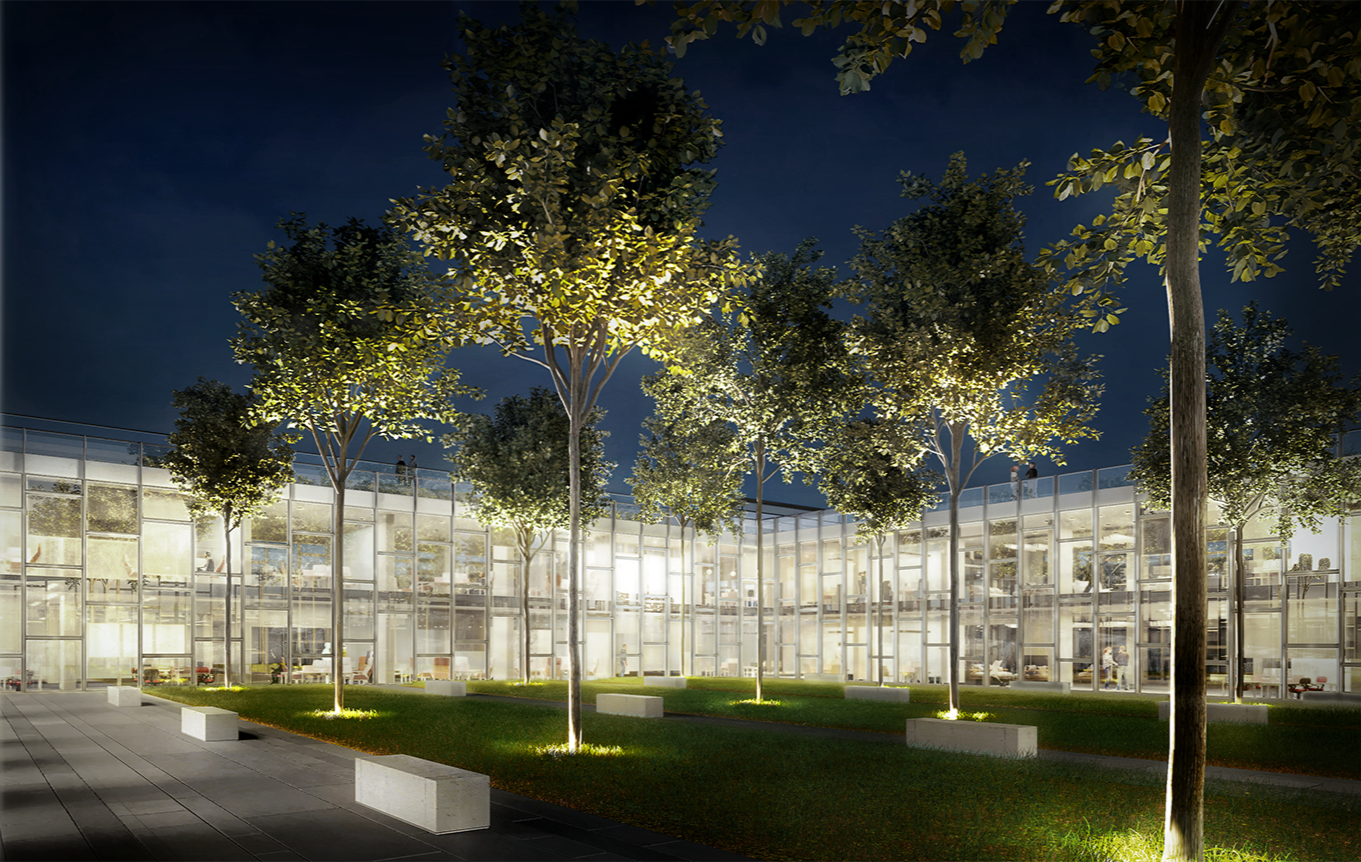
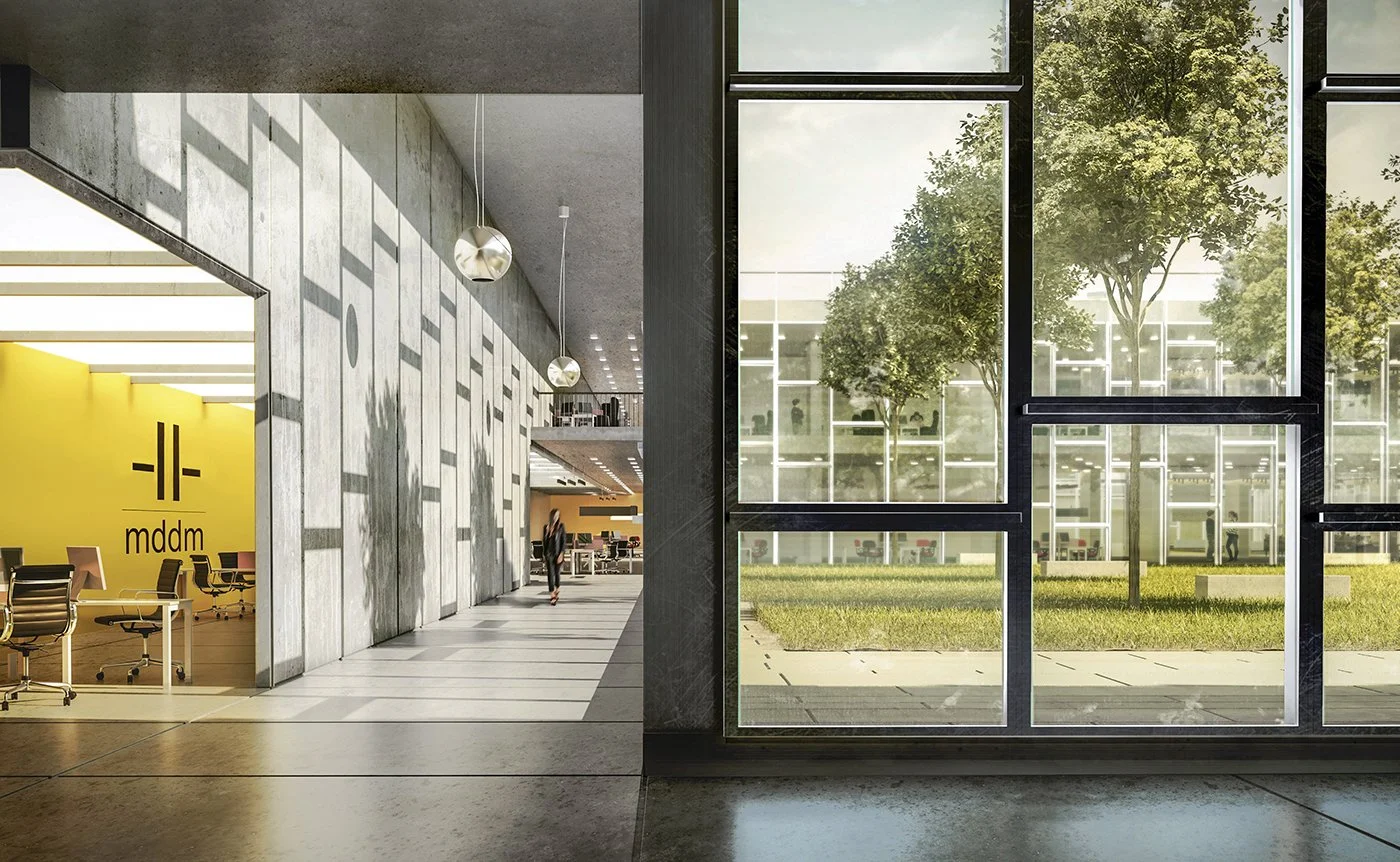
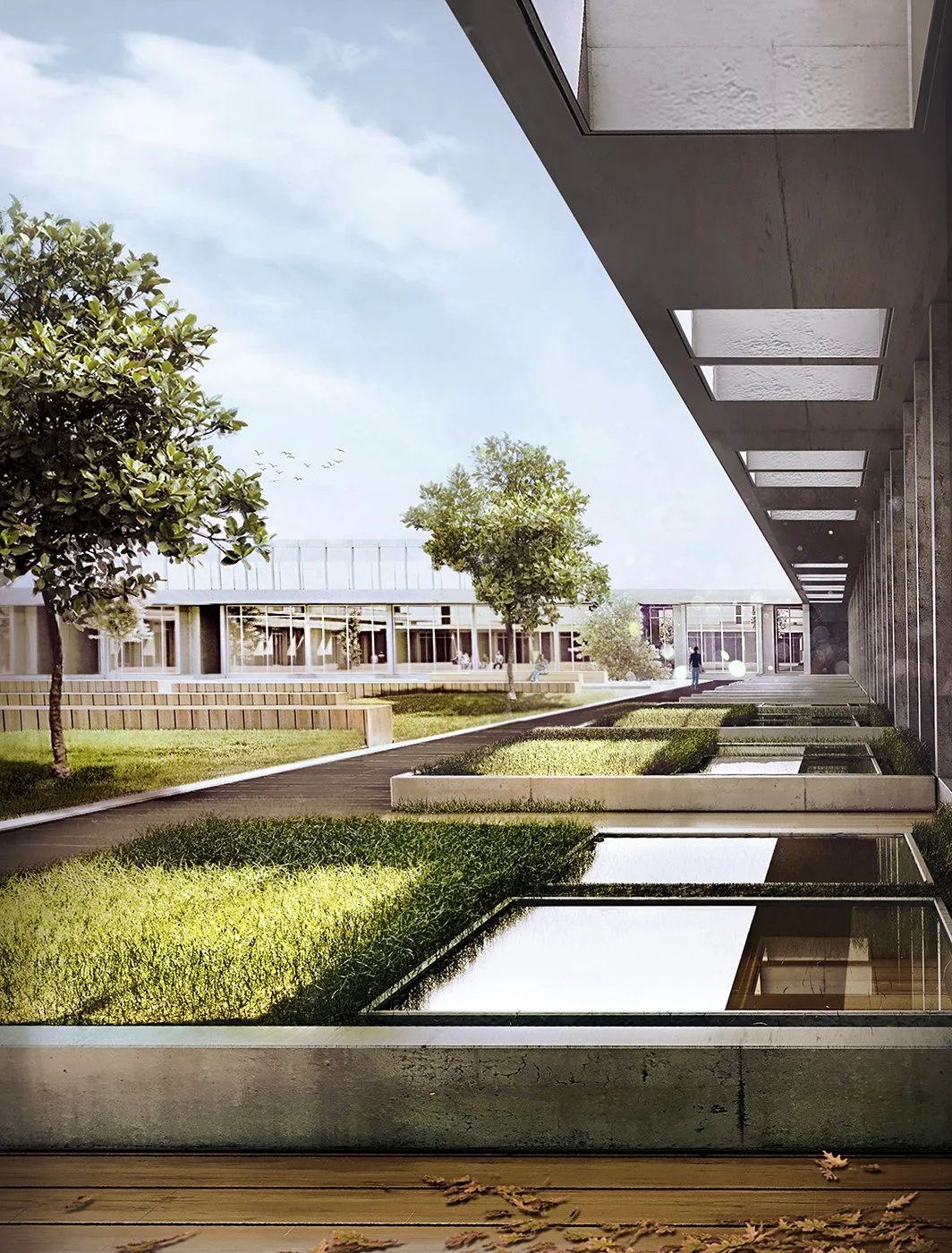
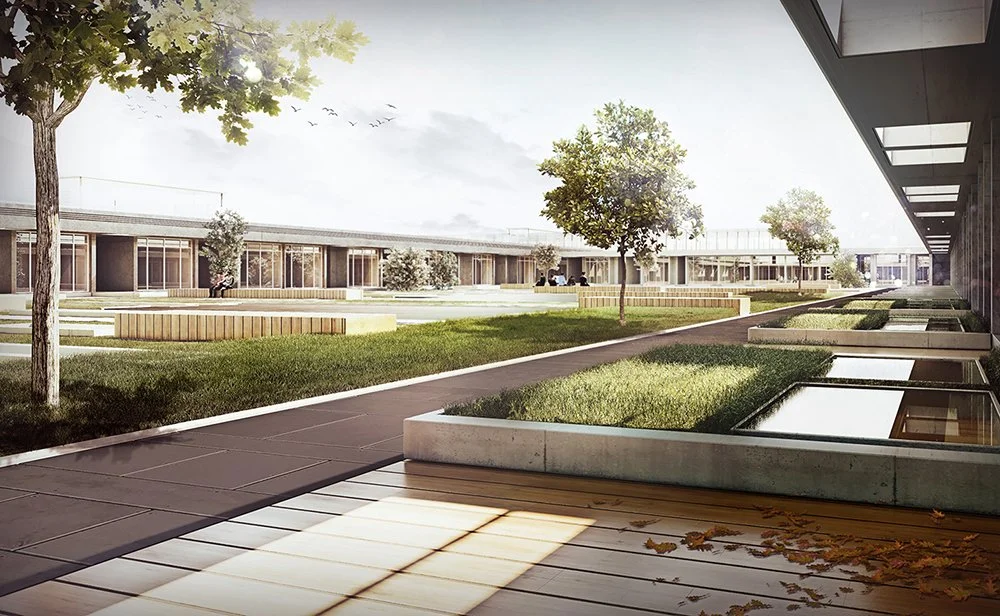
The firm is candid that this was the more demanding route. Building underground removes the option of resolving a complex program through above-ground form, and instead requires a far more rigorous design process to integrate every functional and spatial requirement within a fully buried footprint. Central to that process was the question of daylight. Courtyards were strategically positioned throughout the plan, and sized generously enough that light reaches deep into the below-grade spaces, ensuring that occupants never register the sensation of being underground.
That same rigor shaped the master plan itself, which was composed by following the directive geometries already established by Niemeyer's existing volumes on site. The result is a scheme fully integrated with its surroundings, extending the existing architectural language rather than departing from it. Internally, the spaces are organized around a modular planning strategy, giving the center a high degree of flexibility to adapt as the needs of its users evolve.
It was precisely this depth of consideration, the discipline of the underground strategy, the resolution of daylight through carefully placed courtyards, and the fidelity to Niemeyer's existing geometries, that earned the project First Prize in the international competition, selected from more than 700 international entries.